

Certification
Certification by industry
Control Union Certifications (CUC) focuses on sustainable agriculture supply chains for food, feed, forestry, biomass, bioenergy, social compliance and textiles. With a presence in 80+ countries, we manage global marketplace challenges.
All certification programsWhy Control Union Certifications
A solid international partner
By understanding the challenges of our clients and their supply chains, as well as the need for increasing transparency and stakeholder involvement, Control Union Certifications has developed services that can be bundled together to best meet the particular needs of our clients.
Certifications and accreditationsindustries
certification programs
offices worldwide
About Control Union Certifications
The activities of this office are in no way linked with the activities of Peterson Projects and Solutions or any other unrelated consultancy companies and though engaging the services of any consultancy organization may help you to organize your company or product to comply with certification requirements, certification in itself will not be simpler, easier, faster or less expensive if the services of any consultancy organization were engaged.
More information about our Certifications and Accreditations
Our approach
How you benefit
Through an understanding of your needs and the challenges you face, Control Union Certifications has developed an approach to assist you meet your ever-growing sourcing requirements. Whether related to sustainable materials or social compliance concerns, a tailor-made service is developed that best suits what you need.
Our commitment
Commitment statement
Our certification programs
Control Union Certifications offers tailored or pre-made certification programs for sustainable sourcing in many industries. Here you will find an overview of all our certification programs offered worldwide. You can easily filter to your specific needs, industry or location. Let Control Union be the proof to your promise.
To all Certification Programs
Our certification services
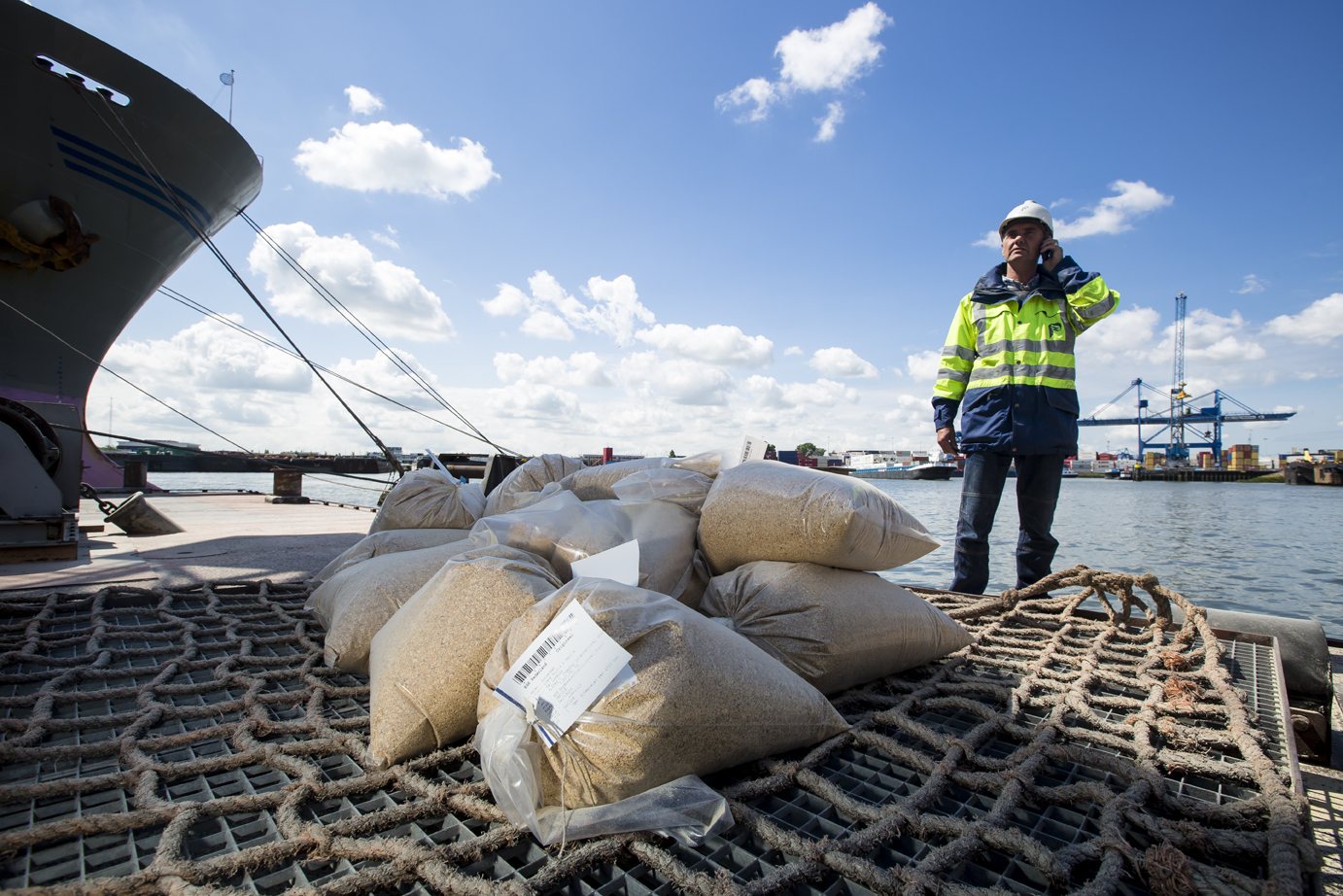
Control Union delivers quality inspections for asset owners globally, with local knowledge for uniform and consistent services. Efficient planning and clear reporting are key.














How can we help you?
Are you looking for a certain service, do you have any questions or do you want to apply for the certification program? Let us know. We’re glad to be of help.